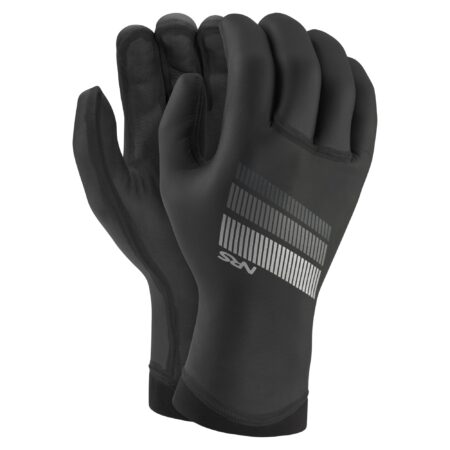
Keep your hands warmer and maintain a confident grip with paddle boarding gloves chosen for SUP, touring and colder days on the water. Our range includes neoprene paddling gloves designed for comfort, dexterity and reliable grip in wet conditions.
Paddling gloves chosen for real conditions
Neoprene SUP gloves selected for warmth, grip and dexterity without making your paddle feel clumsy.
Cold hands can quickly take the enjoyment out of a paddle, especially once your gloves are wet and the wind picks up. The right pair should help keep your hands warmer while still giving you enough feel through the fingers to hold your paddle comfortably, adjust kit and get back onto your board when needed.
At SUP Funk, we focus on paddling gloves that balance warmth with movement rather than simply choosing the thickest neoprene available. Grip, flexibility and fit all matter, because a glove that feels warm on dry land is no use if it makes your hands tire or bunches up around the paddle shaft.
Whether you paddle through autumn and winter, head out on colder spring mornings or simply want more protection from wind and spray, we can help you choose a pair that suits the conditions and the way you paddle.
✓
Chosen for paddlingWarmth, grip and movement without unnecessary bulk
✓
Grip and dexterity matterSelected to keep control of the paddle when wet
✓
Stocked in our UK warehouseIf we say it is in stock, it is here
The best paddle boarding gloves are the ones you can forget you are wearing. They should keep your hands warmer, give you a secure grip on the paddle and still let you move your fingers naturally enough to adjust straps, use zips and handle kit without feeling clumsy.
For most paddlers, the choice comes down to the balance between warmth and dexterity. Thicker neoprene usually gives more insulation, but it can also reduce feel through the fingers and make the paddle shaft feel bulkier in your hand. Lighter gloves are easier to paddle in for longer periods, but they will not offer the same protection when the temperature drops.
That is why we would choose gloves around the conditions you actually paddle in rather than simply buying the thickest pair available.
What Thickness of Neoprene Gloves Do You Need?
Neoprene thickness has a big effect on how a glove feels on the water. Thinner gloves give better paddle feel and finger movement, making them ideal for cooler spring and autumn sessions or paddlers who tend to run warm. Thicker gloves provide more insulation and protection when the air and water temperatures fall.
A 0.5mm to 1mm glove can work well when you mainly want wind protection, grip and a little extra warmth without losing dexterity. Around 2mm gives noticeably more insulation and is often a better choice for colder paddling, especially when your hands are exposed to spray and wind for longer periods.
There is no single thickness that works for everyone. Cold tolerance, paddling intensity and the conditions on the day all make a difference, so it is worth thinking about how and when you actually use your paddle board or kayak.
Grip and Dexterity Matter More Than You Think
A glove can be warm and still be frustrating to paddle in if it makes the shaft feel slippery or too bulky. Good paddling gloves should give you enough grip to hold the paddle securely without forcing you to squeeze harder than usual, because that extra tension can quickly lead to tired hands and forearms.
Dexterity matters just as much. You still need to be able to adjust your leash, open a dry bag, use a phone case or sort out clothing without having to remove your gloves every few minutes. That is why we prefer designs that combine insulation with enough flexibility through the fingers and palm to keep your hands useful as well as warm.
SUP Gloves for Cold Water and Winter Paddling
Cold hands can become a problem long before the rest of you feels particularly cold. Wind chill, wet neoprene and repeated contact with cold water all make the hands one of the first areas to lose comfort on winter paddles.
For colder conditions, we would usually choose a glove with more insulation and a close, secure fit that limits cold-water flushing. The wrist area matters too, because a loose cuff can allow cold water to circulate inside the glove and quickly reduce the benefit of the neoprene.
If you paddle through winter, it is also worth thinking about your whole clothing system rather than treating gloves in isolation. Warm hands help, but they work best alongside suitable paddle tops and bottoms to protect your body and the right SUP shoes and socks to keep your feet comfortable. You can explore our full range of SUP clothing to find suitable layers and accessories for colder conditions on the water.
Men’s and Women’s Paddle Boarding Gloves
Men’s and women’s paddling gloves are often made from similar materials but can differ in palm width, finger length and overall volume. A glove that is too loose will let water move around inside and reduce warmth, while one that is too tight can restrict circulation and make your hands colder rather than warmer.
A close fit is usually best, but you should still be able to open and close your hand comfortably and hold the paddle without strain. If you are between sizes, check our manufacturer’s size guide rather than assuming you should automatically size up.
Why Buy SUP Gloves from SUP Funk?
We choose paddling gloves around the things that actually matter once you are on the water, warmth, grip, flexibility and how they feel around the paddle shaft. A glove can look great on paper and still be frustrating to use if it is too bulky, too stiff or makes you work harder to hold the paddle.
That is why we keep the range focused on gloves that make sense for real paddling conditions rather than simply stocking every thickness and style available. Everything shown as in stock is held in our UK warehouse, and if you are unsure which pair suits the temperatures and type of paddling you do, just ask us.
Are SUP gloves worth wearing?
Yes, especially in cooler conditions. They can help reduce heat loss from the hands, improve grip on a wet paddle shaft and protect against rubbing or blisters on longer paddles.
What are the best gloves for paddle boarding?
The best gloves depend on the conditions. Lightweight neoprene gloves are good for grip and dexterity in cooler weather, while thicker gloves are better when warmth becomes the priority.
What thickness gloves do I need for paddle boarding?
Around 0.5mm to 1mm works well for milder conditions where you still want good feel through the fingers. Around 2mm gives more insulation for colder sessions. Your own cold tolerance and the conditions you paddle in matter just as much as the number on the label.
Can I use kayaking gloves for paddle boarding?
Yes. Many paddling gloves work well for both SUP and kayaking because both activities need good grip, flexibility and protection from cold water. The fit and thickness are usually more important to consider than the sport alone.
Should neoprene gloves be tight?
They should fit closely without restricting circulation or finger movement. A loose glove can allow cold water to flush through, while one that is too tight may make your hands uncomfortable and colder. Please ensure you check the product size chart to get the correct fit and size.
Do neoprene gloves keep your hands dry?
Most neoprene paddling gloves are designed to keep your hands warmer rather than completely dry. A small amount of water may enter, but the neoprene helps reduce heat loss once it is warmed by your body.
Why do my hands get tired when paddling in gloves?
This often happens when the gloves are too thick, too stiff or have poor grip. If you have to squeeze the paddle harder to stop it slipping, your forearms and hands will fatigue more quickly.
Are open-palm gloves better for paddle boarding?
Open-palm or fingerless designs can give excellent paddle feel in milder conditions, but they offer less warmth. They are more useful for blister protection and grip than for cold-weather insulation.
Can I wear paddle boarding gloves in summer?
Yes, if you want extra grip or blister protection, but a lightweight glove is usually more comfortable in warm conditions. Thick neoprene can quickly become too warm in summer.
How do I look after neoprene paddling gloves?
Rinse them in fresh water after use, especially after salt water, and allow them to dry naturally away from direct heat. Avoid folding or storing them damp for long periods.
Real advice from real paddlers
Not Sure Which SUP Gloves You Need?
Tell us when you paddle, how cold the conditions usually are and whether warmth, grip or dexterity matters most to you. We’ll help you narrow down the options and choose a pair of paddling gloves that suits the way you spend time on the water.
We use essential cookies to keep SUP Funk working properly. With your permission, we’d also like to use analytics cookies to understand how people use our website, and marketing cookies to understand how people find us and measure how well our campaigns are working.
This helps us improve the website and give you a better experience. You can accept all cookies, reject non-essential cookies, or choose your preferences at any time.
Functional
Always active
The technical storage or access is strictly necessary for the legitimate purpose of enabling the use of a specific service explicitly requested by the subscriber or user, or for the sole purpose of carrying out the transmission of a communication over an electronic communications network.
Preferences
The technical storage or access is necessary for the legitimate purpose of storing preferences that are not requested by the subscriber or user.
Statistics
The technical storage or access that is used exclusively for statistical purposes.The technical storage or access that is used exclusively for anonymous statistical purposes. Without a subpoena, voluntary compliance on the part of your Internet Service Provider, or additional records from a third party, information stored or retrieved for this purpose alone cannot usually be used to identify you.
Marketing
The technical storage or access is required to create user profiles to send advertising, or to track the user on a website or across several websites for similar marketing purposes.