Discover flexible, comfortable wetsuits for paddleboarding, from lightweight summer styles to warmer neoprene designs for cooler conditions. Explore men’s and women’s wetsuits selected for freedom of movement and protection on UK waters.
Wetsuits chosen for real paddling conditions
Flexible, comfortable wetsuits selected for warmth, freedom of movement and protection on UK waters.
Anyone who paddles regularly in the UK knows that the water doesn't always feel as warm as the weather suggests. Even on a sunny day, an unexpected swim can be a chilly reminder of why choosing the right clothing matters. A good paddle boarding wetsuit should provide suitable insulation for the conditions while still allowing you to move comfortably, whether you're standing, kneeling, paddling or climbing back onto your board.
At SUP Funk, we choose wetsuits around how they're actually going to be used. Our range includes flexible full wetsuits, lighter summer styles and sleeveless Long John and Long Jane designs for paddlers who want greater freedom through the shoulders. We stock men's and women's wetsuits from brands we trust, including Jobe and NRS, with different levels of coverage and insulation to suit the way you spend time on the water.
We don't believe the thickest wetsuit is automatically the best choice. Neoprene thickness, fit, flexibility and the amount of time you might spend in the water all make a difference, particularly when UK conditions can change so quickly. Whether you're looking for something lightweight for warmer days or more protection for cooler paddles, we'll help you understand the options and choose a wetsuit that makes sense for your paddling.
✓
Chosen for paddleboardingWetsuits that balance insulation with freedom of movement
✓
Different styles and fitsFull wetsuits, summer styles and sleeveless designs
✓
Practical advice from paddlersHelp choosing the right coverage, thickness and fit
£79.99Original price was: £79.99.£71.99Current price is: £71.99.
Choosing the Right Wetsuit for Paddle Boarding
Choosing a wetsuit for paddleboarding is a little different from choosing one for surfing. When you're standing on a SUP, you spend much of your time out of the water, so comfort, flexibility and freedom of movement become particularly important. At the same time, your wetsuit needs to provide suitable protection if you fall in, especially when the water is colder than the air temperature might suggest.
We always think about where and when we're paddling before deciding what to wear. A relaxed summer paddle on a sheltered lake is very different from heading out on a chilly autumn morning, and a wetsuit that feels perfect for one may be completely unsuitable for the other. Neoprene thickness, coverage, fit and the way a wetsuit moves with your body all make a difference.
Our advice is to choose a wetsuit around the conditions you could actually encounter, rather than simply looking for the thickest neoprene or the lowest price. The right wetsuit should give you the protection you need without making every paddle stroke feel like hard work.
Full Wetsuits or Sleeveless Paddle Wetsuits?
One of the first decisions when choosing a SUP wetsuit is how much coverage you actually need. Full wetsuits and sleeveless Long John or Long Jane designs both have their place, but they feel quite different when you're paddling. We particularly like the freedom that sleeveless designs give through the shoulders, although there are certainly conditions where more neoprene coverage makes better sense.
FREEDOM TO PADDLE
Long John & Long Jane Wetsuits
Sleeveless wetsuits are a popular choice for SUP because they leave your arms and shoulders unrestricted, making them comfortable for repeated paddle strokes and longer sessions. They provide neoprene coverage through the torso and legs, with the flexibility to add a neoprene paddle top or jacket when you want more warmth and upper-body coverage.
We particularly like the flexibility of this approach for paddling in changing conditions. However, with your arms and shoulders exposed, a sleeveless wetsuit on its own won't provide the same overall insulation as a full wetsuit, so it's important to consider the water temperature and what would happen if you fell in.
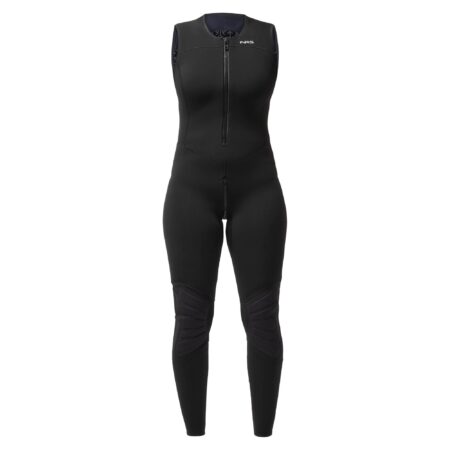
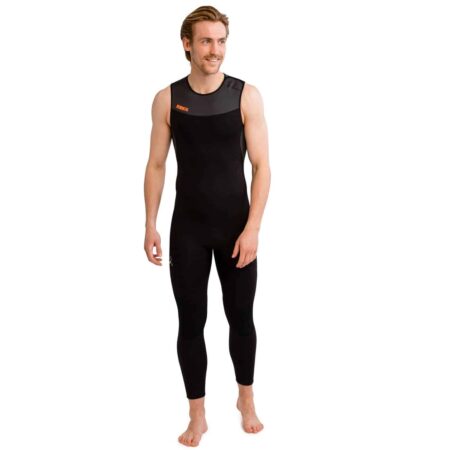
Explore sleeveless wetsuitsJobe Porto Long JohnJobe Toronto Long JohnNRS Women's Ultra Jane
MORE COVERAGE & INSULATION
Full Wetsuits
Full wetsuits provide neoprene coverage through the arms, body and legs, making them worth considering when you need more insulation or expect regular contact with the water. The best designs balance that additional coverage with enough flexibility through the shoulders and upper body to let you paddle comfortably.
Thickness, neoprene construction and fit all influence how warm a full wetsuit feels, so we would choose one around the actual paddling conditions rather than assume that every full wetsuit offers the same protection. For genuinely cold or exposed conditions, it's also worth considering whether a suitable drysuit would be more appropriate.
Our wetsuit range
We're continuing to develop our wetsuit range, with new styles and brands being considered for future seasons.
What Wetsuit Thickness Do You Need for Paddleboarding?
Neoprene thickness is one of the first things people look at when choosing a wetsuit, but it is only part of the picture. A thicker wetsuit generally offers more insulation, although the quality of the neoprene, lining, seams, fit and amount of water moving through the suit can make a big difference to how warm it feels.
Lighter 2mm wetsuits can be comfortable for warmer paddling conditions, especially when flexibility is a priority. Moving up to 3mm generally gives you more insulation, making it worth considering when the water is cooler or you expect to spend more time getting wet. Thicker wetsuits can offer greater warmth again, but they may also feel more restrictive when paddling, particularly through the shoulders and upper body.
We would never choose wetsuit thickness based on the month alone. A sunny spring afternoon can still mean very cold water, and the amount of protection you need depends on the water temperature, wind, distance from shore and how quickly you could get yourself back to safety. For genuinely cold conditions, a suitably chosen drysuit may be more appropriate than a relatively thin paddling wetsuit.
How Should a Paddle Boarding Wetsuit Fit?
A wetsuit should fit closely against your body without large gaps or loose folds, but it should never feel so tight that breathing or movement becomes uncomfortable. Neoprene works best when excessive cold-water movement through the suit is limited, so getting the fit right matters just as much as choosing the correct thickness.
For paddleboarding, we pay particular attention to the shoulders, waist and knees. You should be able to reach forwards, rotate through a paddle stroke, kneel down and stand back up without the wetsuit pulling uncomfortably. If you're trying one on, we'd recommend making a few paddling movements rather than simply standing still and deciding it feels fine.
Men's and women's wetsuits are generally shaped differently, and sizing can vary between manufacturers. We would always start with the brand's measurements rather than assuming your usual clothing size will be correct. A comfortable fit makes a noticeable difference, especially when you're planning to spend several hours on the water.
Wetsuits or Separate Paddle Tops and Bottoms?
We're big fans of being able to adjust our clothing to suit the conditions, which is one reason we like sleeveless wetsuits and separate neoprene layers for SUP. A Long John or Long Jane can be combined with a neoprene paddle top or jacket when you need more warmth and upper-body coverage, while leaving your shoulders unrestricted when conditions allow. It's a combination we use ourselves at SUP Funk, particularly when the weather is changeable and we want the flexibility to add or remove a layer.
Separate paddle tops and bottoms offer even more versatility, especially when you want to mix different layers for warmer or cooler days. They can be particularly comfortable for active paddling, although it's important to choose layers that fit well together without restricting your movement. Thin neoprene separates also won't necessarily provide the same protection during an unexpected swim as a more substantial wetsuit.
Neither approach is automatically better. We would always consider the water temperature, how much time we might spend in the water and the conditions we're likely to encounter. The important thing is choosing enough protection for an unexpected swim without making normal paddling unnecessarily uncomfortable.
Are Wetsuits Suitable for Cold-Water Paddleboarding?
Wetsuits can provide useful insulation in cold water, but not every wetsuit is suitable for every temperature or paddling situation. A lightweight summer suit and a substantial cold-water wetsuit are very different pieces of equipment, even though both are made from neoprene.
When we're heading out in colder conditions, we think about what would happen if we fell in and couldn't get straight back onto the board. Water temperature, wind, exposure, distance from shore and the possibility of a longer immersion all influence the clothing we choose. A wetsuit needs to provide suitable protection for those circumstances rather than simply feeling warm while standing on the shore.
For particularly cold or exposed conditions, a properly fitted drysuit with appropriate thermal layers may be a better option. In less demanding conditions, suitable paddle tops and bottoms can provide additional flexibility when layering over a sleeveless wetsuit.
Don't overlook your hands and feet either, as well-fitting SUP gloves and SUP shoes and socks can make a real difference to comfort in colder weather. Whatever clothing you choose, it's worth practising getting back onto your board while wearing it and making sure you have suitable safety equipment for the environment.
Why We Choose These Wetsuits at SUP Funk
We've always felt that paddleboarding clothing should be chosen around paddling rather than simply following whatever happens to be popular in other watersports. A wetsuit can look impressive in a product photograph, but if it restricts your shoulders or becomes uncomfortable after an hour on the board, it isn't necessarily the right choice.
That's why we're particularly interested in flexible neoprene designs, practical features and wetsuits that allow you to move naturally. The Jobe Porto and Toronto offer straightforward 2mm sleeveless options, while the NRS Women's Ultra Jane and Men's Ultra John take a more technical approach, with titanium-enhanced insulation and features designed specifically for paddlesports. They give our customers different choices without us needing to stock dozens of similar models.
The NRS Ultra John and Ultra Jane are now the wetsuits we use most often ourselves, combining them with different neoprene tops and layers depending on the conditions. We really like the flexibility this gives us, particularly when the weather changes during a paddle. However, when the air and water temperatures drop significantly, we generally move to drysuits with appropriate thermal base layers for greater protection. It's important not to underestimate cold water or the effect of wind chill when you're wearing a wet wetsuit. Cold water shock and hypothermia are very real risks, regardless of how experienced you are, and we would always put safety ahead of comfort or convenience when planning a winter paddle.
As we expand the range, we'll continue looking for wetsuits that offer something genuinely useful, whether that's better flexibility, more insulation or a fit that works particularly well for SUP and kayaking. Our aim is to help you choose something you'll enjoy wearing on the water, not simply sell you the most expensive suit available.
Paddle Boarding Wetsuits & SUP Wetsuit FAQs
What is the best wetsuit for paddle boarding?
The best wetsuit for paddle boarding is one that provides suitable warmth without restricting your paddle stroke. Unlike surfing, stand-up paddleboarding involves continuous arm and shoulder movement, so flexibility is particularly important. We often favour sleeveless Long John or Jane style wetsuits because they provide insulation around your body and legs while leaving your shoulders free to move.
Our Jobe and NRS wetsuits are good examples of this approach which can be paired with a neoprene jacket for extra warmth.
How thick should a wetsuit be for paddle boarding in the UK?
Wetsuit thickness depends on the water temperature, weather conditions and how much time you expect to spend in the water. A flexible 2mm wetsuit can be a comfortable choice for warmer conditions, while a 3mm wetsuit provides additional insulation when temperatures drop. However, thickness alone doesn't determine warmth. Fit, construction and exposure to cold water all matter.
For particularly cold conditions, especially during winter, a suitable drysuit may offer better protection.
Are Long John wetsuits better for paddle boarding?
Long John wetsuits are an excellent option for paddleboarding because they provide insulation around your core and legs without restricting your arms and shoulders. This makes them particularly comfortable for touring, recreational paddling and longer sessions on the water. They also offer useful flexibility because you can combine them with a separate neoprene jacket when you need additional warmth.
What is the difference between a Long John and a Jane wetsuit?
Both designs provide full-length leg coverage while leaving the arms uncovered. Long John is traditionally the term used for a men's sleeveless wetsuit, while Jane or Long Jane describes the equivalent women's design. The main differences are usually the fit and shaping around the body. Both are particularly well suited to paddleboarding because they allow greater freedom of movement through the shoulders.
Can I wear a wetsuit for paddle boarding in winter?
Yes, but choosing the right protection for winter paddling is essential. A wetsuit provides insulation when wet, although its effectiveness depends on thickness, fit, construction and water temperature. A lightweight 2mm wetsuit may not provide sufficient protection for prolonged immersion in cold UK waters. For winter paddling, consider the possibility of an unexpected fall, wind chill and how quickly you could get back to safety. We prefer to use a 3mm with extra titanium insulation during cooler months.
In very cold conditions, a properly fitted drysuit with appropriate insulating layers may be more suitable.
Should a paddle boarding wetsuit fit tightly?
A wetsuit should fit closely against your body without restricting breathing, circulation or movement. A snug fit helps reduce the amount of water circulating inside the suit, which is important for retaining warmth. However, it shouldn't feel excessively tight across your shoulders, chest or knees. When trying on a wetsuit, practise reaching forward, bending your knees and rotating your upper body to make sure you can paddle comfortably.
Can I wear a neoprene jacket over a sleeveless wetsuit?
Absolutely. One of the biggest advantages of a sleeveless wetsuit is the ability to add or remove layers as conditions change. Pairing a Long John or Jane wetsuit with a suitable neoprene jacket provides additional insulation around your arms and upper body while retaining the flexibility of separate garments.
Take a look at our Paddle Tops & Bottoms category for compatible layering options.
Do I need a wetsuit or separate paddle tops and bottoms?
Both have their advantages. A wetsuit provides continuous neoprene coverage around much of your body, making it a practical choice when immersion is likely. Separate paddle tops and bottoms offer greater flexibility, allowing you to adjust your clothing to changing conditions or use individual layers throughout the season. For recreational paddleboarding in the UK, the best option depends on water temperature, your paddling style and the level of protection you need.
We like the long John and Jane style wetsuits because we pair them with a rash vest during Autumn to keep the chill off our arms and put on a neoprene jacket when the weather and water get cooler.
Do I need wetsuit boots and gloves for paddle boarding?
Wetsuit boots and gloves can make a considerable difference to comfort, particularly when paddling in cooler weather.
Neoprene footwear helps protect your feet from cold water and provides additional grip when launching or walking along the shore. Gloves can help keep your hands warmer without sacrificing too much paddle control. Explore our SUP Shoes & Socks and SUP Gloves categories for suitable options.
How should I wash and care for my paddle boarding wetsuit?
Rinse your wetsuit thoroughly with fresh water after paddling, particularly following use in salt water. Allow it to dry naturally in a shaded, well-ventilated area, avoiding direct heat and prolonged exposure to strong sunlight. Turning it inside out initially can help the inner lining dry. Once completely dry, store it somewhere cool and dry without folding or compressing the neoprene for extended periods. Proper care will help maintain its flexibility and extend its useful life.
Real advice from real paddlers
Not Sure Which Wetsuit Is Right for You?
Tell us where and when you paddle, the conditions you normally head out in and whether you're looking for something lightweight or more insulation. We'll help you understand the differences between wetsuit styles, thicknesses and fits so you can choose something that genuinely suits your paddling.
We use essential cookies to keep SUP Funk working properly. With your permission, we’d also like to use analytics cookies to understand how people use our website, and marketing cookies to understand how people find us and measure how well our campaigns are working.
This helps us improve the website and give you a better experience. You can accept all cookies, reject non-essential cookies, or choose your preferences at any time.
Functional
Always active
The technical storage or access is strictly necessary for the legitimate purpose of enabling the use of a specific service explicitly requested by the subscriber or user, or for the sole purpose of carrying out the transmission of a communication over an electronic communications network.
Preferences
The technical storage or access is necessary for the legitimate purpose of storing preferences that are not requested by the subscriber or user.
Statistics
The technical storage or access that is used exclusively for statistical purposes.The technical storage or access that is used exclusively for anonymous statistical purposes. Without a subpoena, voluntary compliance on the part of your Internet Service Provider, or additional records from a third party, information stored or retrieved for this purpose alone cannot usually be used to identify you.
Marketing
The technical storage or access is required to create user profiles to send advertising, or to track the user on a website or across several websites for similar marketing purposes.